
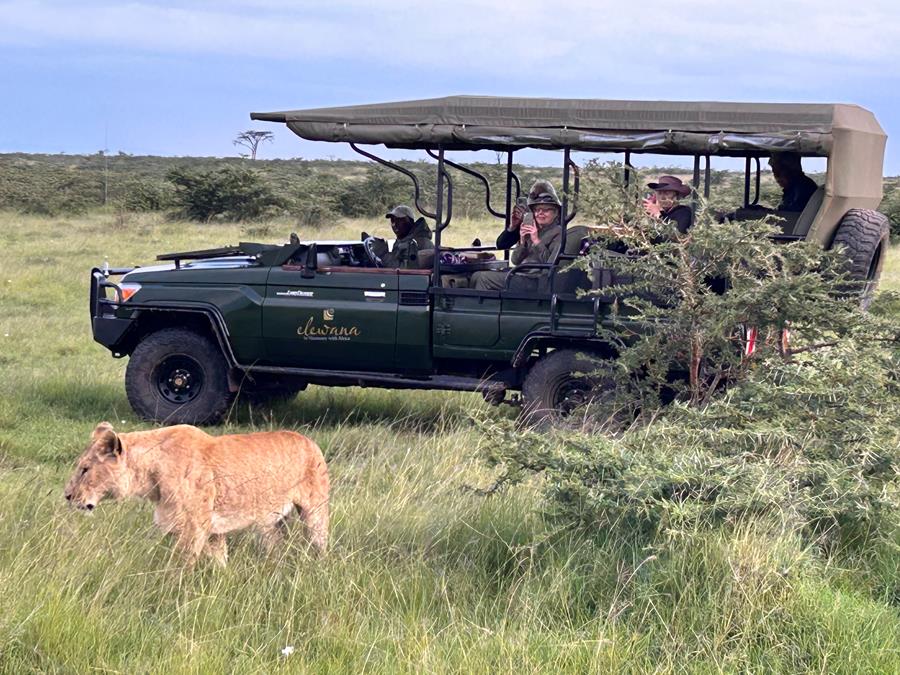
If an African safari has been sitting on your bucket list, you’re not alone. There’s a reason it feels like the ultimate once-in-a-lifetime experience. Wide-open savannas, unforgettable wildlife encounters, and the kind of “pinch me” moments you simply can’t recreate anywhere else in the world.
But one of the first questions we hear from clients is this:
“what is the best country for African safari vacations?”
And it’s a great question because Africa is not one-size-fits-all.
Each country offers something a little different, from the style of accommodations to the types of wildlife you’ll see, to how easy (or adventurous) the logistics are. Choosing the right destination can make the difference between a good trip… and an unforgettable one.
In this guide, we’ll cover the most popular countries for safaris – how they compare and how to choose the one that fits your travel style.
What Makes a Destination “Good” for a Safari?
Before we dive into specific countries, let’s define what makes a destination ideal for first-time safari travelers.
When we help clients plan their first safari, we’re typically looking for:
- High wildlife density (so you actually see animals – often!)
- Well-developed safari infrastructure (comfortable lodges, expert guides)
- Ease of travel (minimal complicated transfers or long bush flights)
- Variety of experiences (game drives, cultural moments, scenery)
- Strong safety and tourism support systems
The goal? A seamless, immersive experience where you can focus on the magic – not the logistics.
1. Kenya: The Classic First Safari Experience

If you’ve been picturing a safari your whole life, there’s a good chance you’re imagining Kenya.
Rolling golden grasslands, acacia trees silhouetted against the sunset, and herds of animals stretching as far as the eye can see. It’s the quintessential safari setting.
Why Kenya is Ideal for First-Timers
Kenya offers:
- Exceptional wildlife viewing year-round
- A wide variety of parks and conservancies
- Iconic landscapes that feel straight out of a documentary
- A strong tourism infrastructure
The Maasai Mara is often the highlight, especially if you’re traveling during the Great Migration season (typically July–October), when massive herds of wildebeest and zebra cross the plains.
What You’ll Experience
Imagine heading out on an early morning game drive, wrapped in a blanket as the sun rises over the savanna. Within minutes, your guide spots a pride of lions lounging in the grass. Later that afternoon, you’re watching elephants gather at a watering hole as the sky turns gold.
Kenya delivers those moments again and again.
Best For:
- First-time safari travelers who want the “classic” experience
- Families and couples alike
- Travelers combining safari with a beach extension (like the Kenyan coast)
Read our First Time African Safari Planning Guide
2. Tanzania: Big Wildlife + Iconic Landscapes

Tanzania is often paired with Kenya, but it has a personality all its own and for many travelers, it’s the ultimate safari destination.
Why Tanzania is Perfect for Safaris
Tanzania offers:
- Some of the largest wildlife populations in Africa
- Multiple iconic parks in one itinerary
- Dramatic, diverse landscapes
From the Serengeti’s endless plains to the Ngorongoro Crater’s wildlife-rich caldera, Tanzania feels expansive and cinematic.
What Makes It Special
The Ngorongoro Crater, in particular, is a standout for first-timers. Because of its natural enclosure, wildlife viewing is incredibly concentrated which means you have a high chance of seeing the Big Five in a short amount of time.
And if your travel dates align, witnessing part of the Great Migration here is unforgettable.
Best For:
- Travelers who want variety in landscapes and wildlife
- Those looking for a slightly more immersive, nature-forward experience
- Couples or honeymooners seeking luxury lodges with incredible views
3. South Africa: The Easiest Safari

If ease of travel is a top priority, South Africa is often our go-to recommendation.
It’s one of the most accessible safari destinations for U.S. travelers and offers a perfect balance of wildlife, luxury, and convenience.
Why South Africa is Great
South Africa offers:
- Malaria-free safari options (in certain regions)
- Excellent infrastructure and road access
- Shorter travel times between destinations
- High-end lodges with familiar comforts
Private game reserves near Kruger National Park are especially popular, offering guided drives, off-road tracking, and incredible wildlife sightings.
What It Feels Like
This is the safari where you wake up in a luxury suite, enjoy coffee overlooking the bush, and head out with expert trackers who can follow footprints to find elusive animals like leopards.
It’s seamless, polished, and incredibly rewarding.
Best For:
- Travelers who want ease and comfort
- Families with younger children
- First-time international travelers to Africa
- Safari + city combinations (like Cape Town and the Winelands)
4. Botswana: A More Exclusive, Intimate Safari

If you’re looking for something a bit more off-the-beaten-path, but still incredible for a safari—Botswana is a standout.
Why Botswana Stands Out
Botswana focuses on low-volume, high-quality tourism, which means:
- Fewer vehicles at wildlife sightings
- More intimate safari experiences
- Exceptional guiding
The Okavango Delta is one of the most unique ecosystems in Africa, where water channels wind through the landscape and safaris can happen by boat as well as by vehicle.
What You’ll Experience
Picture gliding silently through the delta in a traditional mokoro canoe, watching elephants cross in the distance, or enjoying a sunset with no other vehicles in sight.
Botswana feels quieter, more exclusive, and deeply connected to nature.
Best For:
- Couples and honeymooners
- Luxury travelers
- Those wanting a less crowded, more immersive experience
5. Namibia: Dramatic Landscapes + Unique Adventures

Namibia is a bit different from the others on this list and that’s exactly why some travelers fall in love with it.
Why Consider Namibia for Your Safari
Namibia offers:
- Striking desert landscapes (like towering red dunes)
- Unique wildlife adapted to arid environments
- Self-drive options (for adventurous travelers)
While wildlife density isn’t as high as Kenya or Tanzania, the scenery is absolutely unforgettable.
What Makes It Special
This is where you can climb massive sand dunes at sunrise, watch desert-adapted elephants roam, and experience a safari that feels more like an expedition.
Best For:
- Repeat travelers looking for something different
- Adventurous first-timers
- Photographers and landscape lovers
How to Choose the Right Country for You
With so many incredible options, how do you narrow it down?
Here are the key factors we walk through with our clients:
1. Your Travel Style
Do you prefer:
- Seamless luxury and ease? → South Africa
- Classic safari with iconic wildlife? → Kenya or Tanzania
- Exclusive, off-the-beaten-path? → Botswana
- Adventure and landscapes? → Namibia
2. Your Budget
Safari pricing varies significantly depending on:
- Country
- Lodge level
- Time of year
Generally speaking:
- South Africa offers the best value for luxury
- Kenya & Tanzania fall in the mid-to-high range
- Botswana is typically the most premium
3. Time of Year
Safari experiences change dramatically with the seasons.
- July–October: Great Migration (Kenya/Tanzania)
- May–October: Dry season = best wildlife viewing in most regions
- November–April: Lush landscapes, fewer crowds, great for photography
We always tailor destinations based on when you’re traveling—not just where.
4. Trip Length
If you have:
- 7–10 days → South Africa or Kenya
- 10–14 days → Tanzania or multi-park itineraries
- 10+ days → Botswana or combination trips
5. Who You’re Traveling With
- Families → South Africa or Kenya
- Honeymooners → Tanzania or Botswana
- Multi-generational groups → Kenya or South Africa
Sample Safari Itineraries
To help you visualize what this could look like, here are a few sample ideas:
Classic Kenya Safari (10 Days)
- Nairobi arrival
- Maasai Mara (3 – 4 nights)
- Optional: Add a beach stay on the coast
Tanzania Highlights (12 Days)
- Arusha
- Serengeti (4-5 nights)
- Ngorongoro Crater (2-3 nights)
South Africa Combo (10 Days)
- Cape Town (3-4 nights)
- Winelands (1-2 nights)
- Safari near Kruger (3-4 nights)
Botswana Luxury Safari (10-12 Days)
- Okavango Delta (3-4 nights)
- Moremi or Chobe (3-4 nights)
Our Thoughts: The Best African Country for a Safari
If you’re looking for a simple answer, here’s how we typically guide our clients:
- Best overall first safari: Kenya or Tanzania
- Best for ease and value: South Africa
- Best for luxury and exclusivity: Botswana
But the truth is, there isn’t one “best” destination.
The best choice is the one that matches your travel style, your timeline, and the kind of experience you want to have.
Always Remember: This Is More Than a Trip
A safari isn’t just another vacation, it’s the kind of experience that stays with you.
It’s the moment you lock eyes with a lion in the wild.
The quiet stillness of the bush at sunrise.
The stories you’ll tell for years after you return home.
And when it’s planned thoughtfully, it feels effortless from start to finish.
Ready to Start Planning Your Safari?
We help our clients design completely customized safari experiences – matching you with the right country, the right lodges, and the right pace for your trip.
If you’re dreaming about an African safari, we’d love to help you bring it to life.
→Start planning your safari with us today
FAQ: First African Safari Planning
What is the best African country for a first safari?
Kenya, Tanzania, and South Africa are typically the best options due to their wildlife, infrastructure, and ease of travel.
Where should I go on my first African safari?
It depends on your travel style. Kenya and Tanzania for classic safaris, South Africa for ease, and Botswana for luxury.
How many days do you need for a safari?
We recommend at least 7-10 days to fully enjoy the experience without feeling rushed.
Is an African safari safe?
Yes, when planned with reputable lodges and guides, safaris are very safe and well-managed.
When is the best time to go on a safari?
The dry season (typically May-October) is best for wildlife viewing, but each season offers something unique.
What animals will I see on my African safari?
Most first-time safari destinations offer the chance to see the “Big Five” (lion, leopard, elephant, rhino, and buffalo), along with giraffes, zebras, hippos, and countless bird species.
Is Kenya or Tanzania better for a first safari?
Both are excellent choices. Kenya is often slightly easier logistically, while Tanzania offers more varied landscapes and larger national parks. The best choice depends on your travel style and timing.
Is South Africa good for a first safari?
Yes! South Africa is one of the best options for first-time safari travelers due to its accessibility, malaria-free options, and high-end accommodations.
What is the Great Migration and when can I see it?
The Great Migration is the movement of millions of wildebeest and zebras across Kenya and Tanzania. It typically occurs year-round, but river crossings in Kenya’s Maasai Mara are most common from July to October.
How much does an African safari cost?
Most first safaris range from $5,000 to $12,000+ per person depending on the destination, accommodations, and length of stay. Luxury safaris in places like Botswana can be higher.
Do I need vaccinations for an African safari?
Some destinations require or recommend vaccines such as yellow fever, along with malaria prevention in certain regions. Always consult your doctor or a travel clinic before your trip.
Can you go on safari with kids?
Yes! Many safari destinations and lodges are family-friendly, especially in South Africa and Kenya. Some lodges have age restrictions, so planning is key.
What should I pack for my safari?
Neutral-colored clothing, comfortable layers, a good camera, binoculars, sunscreen, and insect repellent are essential. Most lodges provide detailed packing lists.
Are safaris physically demanding?
Not typically. Most safaris involve guided game drives in vehicles, though some lodges offer optional walking safaris or more active experiences.
What is the difference between a national park and a private game reserve?
National parks are open to the public and may have more vehicles, while private reserves offer more exclusive experiences, including off-road driving and fewer crowds.
Can I combine a safari with other destinations?
Absolutely! Many travelers pair a safari with Cape Town, Victoria Falls, or a beach destination like Zanzibar or the Seychelles.
Do I need a visa for an African safari?
Visa requirements vary by country and your nationality. Some countries offer visas on arrival, while others require advance applications.
What type of accommodations can I expect on safari?
Options range from luxury lodges with full amenities to tented camps that blend comfort with a more immersive, nature-focused experience.
How far in advance should I book a safari?
We recommend booking 9-12 months in advance, especially for peak travel seasons or bucket-list experiences like the Great Migration.
Will I have Wi-Fi on safari?
Many lodges offer Wi-Fi in common areas, but connectivity may be limited. This is part of the experience – disconnecting and being present in nature.
What is a typical day on safari like?
Most days include early morning and late afternoon game drives, with time in between to relax at your lodge, enjoy meals, or take in the scenery.
Is travel insurance recommended for a safari?
Yes! Comprehensive travel insurance is strongly recommended to cover trip interruptions, medical emergencies, and evacuation if needed.


Leave a Reply